
How to Heal After a Breakup: A Science-Backed Guide to Moving On
A breakup isn’t just the loss of a person — it’s the loss of identity, attachment, and imagined futures. Learn how to heal after a breakup using attachment science, nervous system regulation, and expert-backed strategies to rebuild your self-worth and move forward with clarity.



When You Stop Seeking Permission to Live Your Life
You Don’t Need Permission to Begin
There’s a moment—quiet, subtle—when we mistake preparation for postponement. It looks like asking one more person for advice. Reworking the plan one more time. Calling it “not ready yet,” when really, we’re waiting for someone else to say it’s okay to live.
But permission doesn’t come from out there.
It lives in the part of you that knows what matters. The part that’s tired of overthinking. The part that’s ready—even afraid—to choose yourself, softly but clearly.
This isn’t about recklessness.
It’s about reclamation.
You can move before you feel certain.
You can choose what’s true, even if it’s tender.
You can begin, even while you’re still becoming.
And if you want a place to practice that? We’d love to guide you inside the Psych Collective.

Listening, Learning, and Letting Grow: What Makes a Good Therapist
What makes a good therapist? For Allison Fishler, LMSW, it begins with listening without judgment, honoring client autonomy, and trusting that growth unfolds in its own time. In this reflection, Allison explores the balance of empathy, authenticity, and curiosity that helps healing take root.

The Art of Showing Up: What Makes a Good Therapist
What makes a good therapist? According to Brooks Strawn, LCSW, it’s not about having all the answers—it’s about showing up with honesty, curiosity, and care. In this reflection, Brooks shares how good therapists create safety, validate the valid, and walk beside clients with courage, accountability, and genuine connection.

The Heart of Therapy: A Letter to My Clients
What makes a good therapist? It’s not perfection—it’s presence. In this heartfelt letter, Chelsea Brouse, LMSW, shares her reflections on compassion, humility, and post-traumatic growth. She writes about what it means to walk beside clients with curiosity and care, reminding us that healing isn’t about becoming someone new—it’s about remembering who you’ve always been.


Sacred Yes, Holy No: How Jesus Views Boundaries
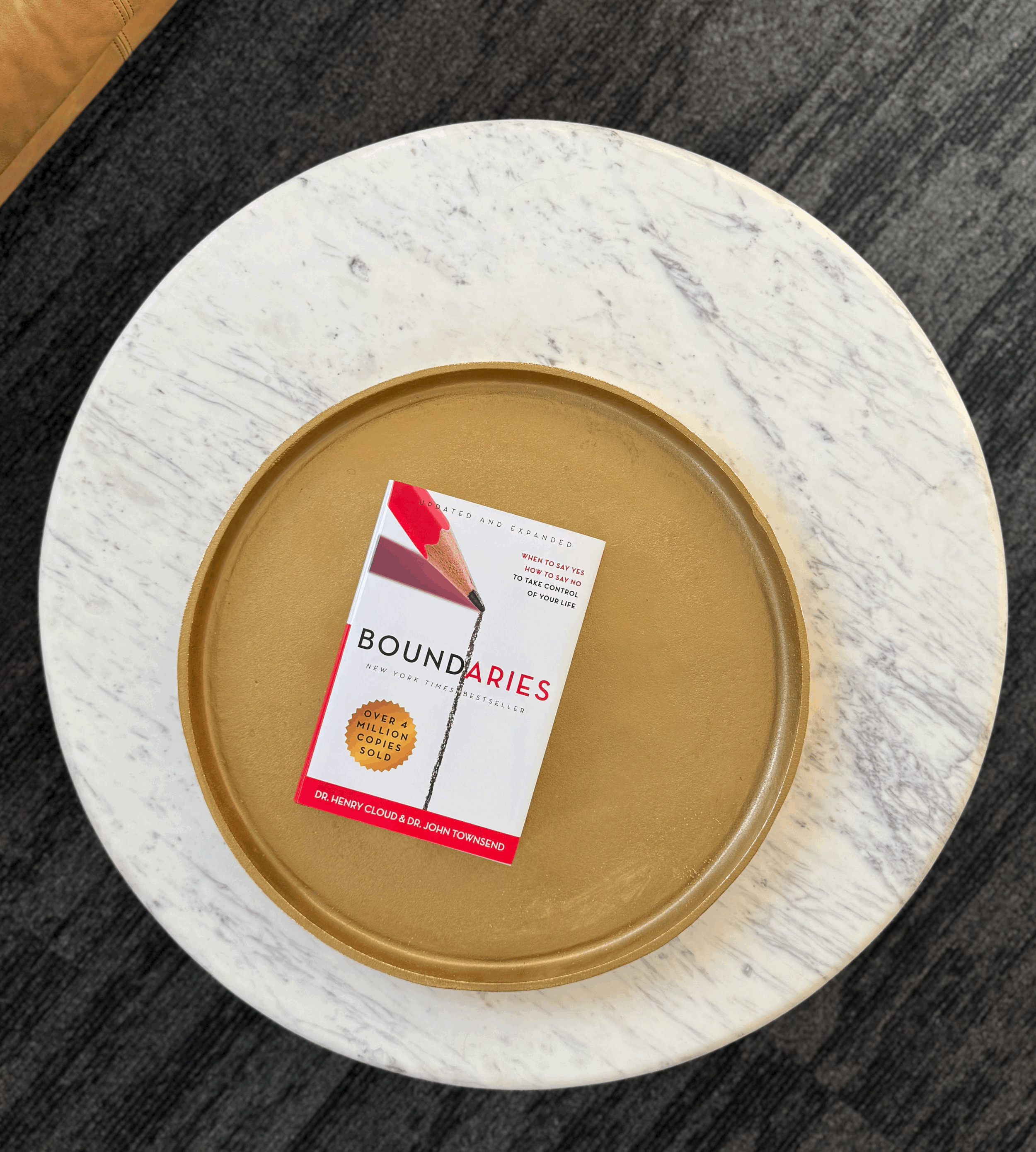
Many Christians wrestle with the tension between love and limits. Aren’t we called to turn the other cheek, bear all things, and lay down our lives? While Scripture does call us to sacrificial love, Jesus’ own life tells a fuller story. He said no to endless demands, withdrew to rest, walked away from toxic encounters, and chose His inner circle carefully.
Boundaries aren’t selfish—they’re sacred. As Dr. Henry Cloud reminds us in Boundaries and Lysa TerKeurst echoes in Good Boundaries and Goodbyes, healthy limits preserve love instead of draining it. When we follow Jesus’ example, we discover that saying no can sometimes be the most Christlike thing we do

Kratom in Idaho: Is It Legal in Coeur d’Alene and What You Need to Know About Safety, Risks, and Healing
Idaho has the highest rate of kratom exposures per capita in the U.S.—a reality that raises urgent questions for Coeur d’Alene communities. While kratom remains legal in Idaho, its growing popularity brings both risks and opportunities for healing. Understanding its effects, safety concerns, and addiction potential is essential to protecting loved ones and fostering compassionate, trauma-informed support.
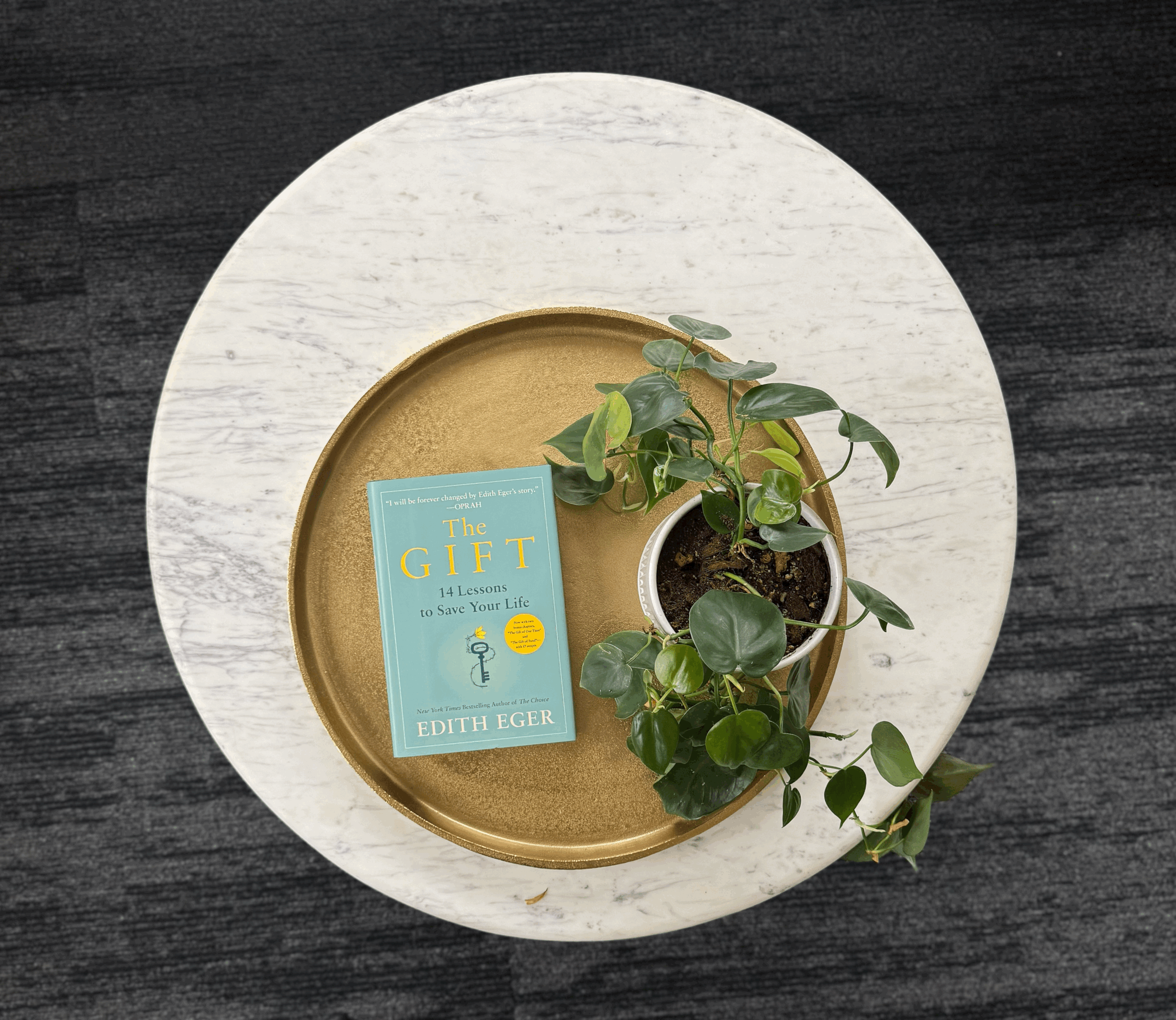
The Gift of Freedom: Edith Eger’s Lessons on Healing, Resilience, and Choosing Life
Discover Edith Eger’s powerful lessons on healing, resilience, and choosing life after trauma—finding freedom through forgiveness and growth.

Breaking the Silence: Men, Mental Health, and the Courage to Heal
Men’s mental health matters. Learn why seeking therapy isn’t weakness but true strength—and how vulnerability leads to healing and resilience.


The Silent Struggle of Imposter Syndrome: Why Smart, Capable People Still Feel Like Frauds
Why even smart, capable people feel like frauds—and how therapy helps overcome imposter syndrome, self-doubt, and perfectionism.

The Silent Nutrient Gaps That Could Be Sabotaging Your Mental Health
Functional medicine reveals the hidden links between nutrient deficiencies and mental health. By testing wisely and nourishing intentionally, you can support both brain and body for lasting emotional resilience.

More Than a High: Marijuana’s Mental Health Toll on Young Adults
High-potency marijuana can raise anxiety, depression & psychosis risk in young adults. Learn the signs & how to protect mental health.